








Starting a small herb garden indoors is a rewarding way to enjoy fresh flavors year-round. Whether you have limited outdoor space or want easy access to herbs for cooking, growing your own herbs inside is simple and satisfying. This guide will walk you through the basics, from selecting herbs to caring for them, so you can create a flourishing indoor garden.
Why Grow Herbs Indoors?
Growing herbs indoors offers several benefits:
– Freshness: Pick herbs right when you need them for cooking.
– Convenience: Have a mini garden in your kitchen or living space.
– Aesthetics: Add greenery and a pleasant aroma to your home.
– Learning: A fun way to get started with gardening, regardless of experience.
Choosing the Right Herbs for Indoor Growth
Not all herbs thrive indoors equally. Consider these popular, easy-to-grow options:
– Basil: Loves warmth and sunlight, perfect for sunny windowsills.
– Mint: Grows quickly; keep it in a separate pot as it can spread.
– Parsley: Prefers bright but indirect light.
– Chives: Hardy and low-maintenance.
– Thyme: Needs good light and well-draining soil.
– Oregano: Thrives in warm, bright spots.
– Cilantro: Likes cool temperatures and regular watering.
Choose a few herbs you use most in your cooking to ensure you’ll enjoy your garden.
Selecting Containers for Your Herb Garden
The right container helps your herbs grow well indoors.
– Size: Choose pots that are at least 4-6 inches deep with drainage holes.
– Material: Terracotta, ceramic, or plastic containers all work, but terracotta helps with air circulation.
– Grouping: You can plant multiple herbs in one larger container or use separate pots for each herb, depending on available space.
Make sure all containers have drainage to prevent root rot.
Preparing the Soil
Good soil is essential for healthy herbs:
– Use a high-quality potting mix designed for indoor plants.
– Avoid regular garden soil, which may be too heavy or carry pests.
– Consider mixing in some perlite or sand for better drainage.
Finding the Perfect Spot for Your Herbs
Most herbs need plenty of light to thrive:
– A south-facing window is ideal, providing 6-8 hours of sunlight.
– If natural light is limited, use grow lights designed for indoor plants.
– Avoid placing herbs near drafts or heating vents which can dry them out.
Rotate pots occasionally so all sides of the plant get sunlight evenly.
Planting Your Herb Garden Step-by-Step
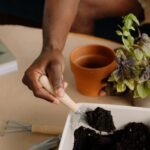
- **Fill your pots** with the prepared soil, leaving about an inch from the top.
- **Plant seeds** or seedlings according to their depth requirements (check packet instructions).
- **Water gently** after planting to moisten the soil without flooding.
- Place the pots in your chosen sunny spot or under grow lights.
Caring for Your Indoor Herbs
Watering
– Check soil moisture regularly; water when the top inch feels dry.
– Avoid overwatering; soggy soil can cause root rot.
– Use room temperature water for best results.
Light
– Ensure herbs receive adequate light daily.
– If leaves look leggy or pale, increase light exposure or add grow lights.
Feeding
– Fertilize herbs every 4-6 weeks during growing season with a balanced, water-soluble fertilizer diluted to half strength.
Pruning and Harvesting
– Prune regularly to encourage bushy growth and prevent flowering, which can reduce flavor.
– Harvest leaves by pinching or trimming, ideally in the morning before the sun is too strong.
– Avoid removing more than one-third of the plant at a time.
Common Challenges and Solutions
– Yellowing leaves: May indicate overwatering or lack of nutrients.
– Leggy growth: Usually a sign of insufficient light; move plants closer to the sun or add grow lights.
– Pests: Watch for aphids or spider mites. Wipe leaves with soapy water or use natural insecticides if needed.
– Wilting: Could be underwatering or root issues; check soil moisture and drainage.
Tips for Success
– Start small—choose 2 to 4 herbs that suit your space and climate.
– Use labels to keep track of different herb types.
– Experiment with fresh herbs in your cooking to get the best use of your garden.
– Rotate crops if you replant to keep soil healthy.
Conclusion
Starting an indoor herb garden is easier than you might think and can bring fresh flavors and greenery into your home. With the right herbs, containers, lighting, and care, you’ll enjoy a beautiful and functional garden all year round. Happy gardening!