










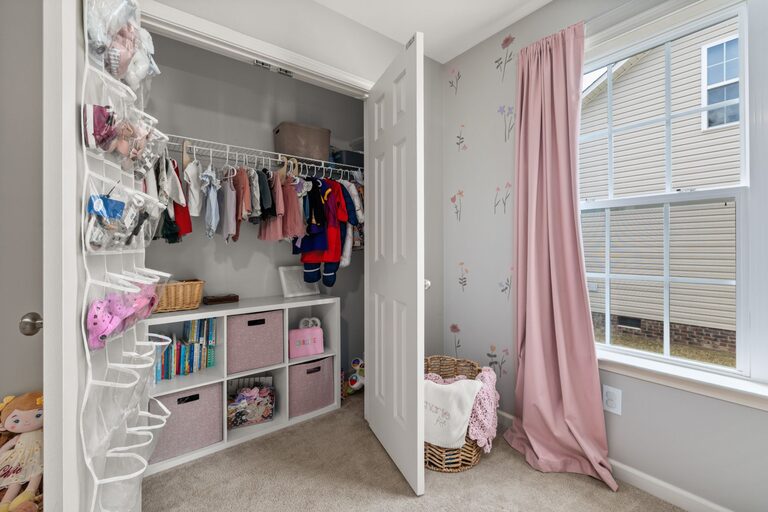
Plants have a wonderful way of brightening our homes, improving air quality, and boosting our mood. Whether you’re a seasoned gardener or a beginner, incorporating plants into your living space is an easy and rewarding way to refresh your home. In this guide, we’ll explore practical steps to select, place, and care for indoor plants that will enhance your home’s style and atmosphere.
Why Add Plants to Your Home?
Plants do more than just decorate. They:
– Improve air quality by filtering toxins.
– Increase humidity, which is great for skin and respiratory health.
– Reduce stress and improve concentration.
– Create a natural, calming environment.
– Add color and texture to any room.
With benefits like these, it’s no wonder plants are a popular choice for home refreshes.
How to Choose the Right Plants for Your Home
Assess Your Space and Lighting
Before buying any plants, consider:
– Natural light: How much sunlight does the area get? South-facing windows usually provide bright light, while north-facing spots get less.
– Temperature and humidity: Some plants crave warmth and humidity, while others prefer cooler or drier conditions.
– Space: Decide if you want small tabletop plants or larger floor-standing ones.
Popular Indoor Plants for Different Conditions
– Low Light: Snake plant, ZZ plant, pothos, and peace lily.
– Bright Light: Succulents, fiddle leaf fig, spider plant, aloe vera.
– Medium Light: Rubber plant, philodendron, dracaena.
Choosing plants that match your home’s conditions will help them thrive.
Creative Ways to Display Plants
Use Different Containers and Planters
Combine various styles like ceramic pots, woven baskets, glass terrariums, or vintage tins to add personality. Remember to use pots with drainage holes to keep roots healthy.
Mix Plant Sizes and Types
Create visual interest by grouping plants of different heights and leaf shapes. For example, a tall fiddle leaf fig paired with small succulents makes a stylish statement.
Try Hanging Plants
Hanging planters save space and add dimension. Plants like string of pearls or ivy look beautiful cascading down.
Repurpose Household Items
Turn old mugs, jars, or metal containers into unique plant pots for a budget-friendly, eco-conscious touch.
Tips for Plant Care and Maintenance
Watering Wisely
– Check soil moisture before watering; overwatering can harm plants.
– Use room temperature water.
– Adjust watering frequency based on season and plant needs.
Proper Lighting
– Rotate plants regularly to ensure even growth.
– Move plants that show signs of too much or too little light.
Feeding Your Plants
– Use a balanced, water-soluble fertilizer every few weeks during the growing season.
– Avoid over-fertilizing, which can damage roots.
Pruning and Cleaning
– Trim dead or yellowing leaves to encourage new growth.
– Wipe leaves with a damp cloth to remove dust and help plants breathe.
Incorporating Plants into Different Rooms
Living Room
Use large statement plants near seating areas or windows. Add small pots on shelves or coffee tables for a cozy feel.
Kitchen
Herbs like basil, thyme, and mint are both decorative and practical. Place them on windowsills for fresh flavors.
Bedroom
Plants like lavender, snake plant, and aloe vera can improve air quality and promote restful sleep.
Bathroom
Choose moisture-loving plants like ferns or peace lilies to thrive in humidity.
Office or Workspace
Plants like pothos and spider plants add greenery that can help improve focus and reduce stress.
Final Thoughts
Refreshing your home with plants is an enjoyable and rewarding project. Start small, choose plants that fit your space and lifestyle, and gradually build your indoor garden. With a bit of care and creativity, your home will feel more vibrant, inviting, and connected to nature.
Happy planting!